DIY vs Professional Irrigation Winterization: A Guide for Clarksville and Tennessee Residents
Each winter, unprotected irrigation systems across Tennessee risk cracking, bursting, or failing altogether—leading to costly spring repairs and significant water damage. Whether you're a homeowner or property manager, deciding between DIY winterization and hiring a professional can be confusing.
In this guide, we’ll help you make the right choice by breaking down:
- Climate-specific risks in Tennessee
- What irrigation winterization actually involves
- Pros and cons of doing it yourself vs hiring a pro
- Cost and risk comparisons
- A simple decision checklist
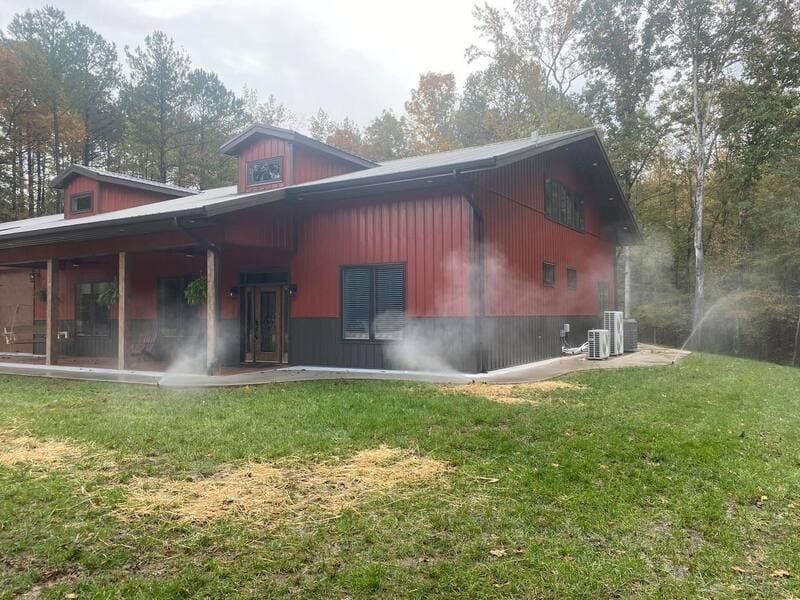
Tennessee Winter Climate Changes & Irrigation Risks
Typical Frost & Freeze Trends by Region
Tennessee’s climate varies widely between West, Middle, and East Tennessee, and so does the first hard freeze—which typically arrives:
- West TN: Late October to early November
- Middle TN: Early to mid-November
- East TN: Mid-November, occasionally late
The depth at which soil freezes is usually 4 to 6 inches, but freeze-thaw cycles can drive ice deeper into irrigation lines, stressing the fittings and joints.
Why Winterization Matters Even in Milder Regions
Even in milder years, trapped water inside pipes can freeze and expand, causing:
- Cracked lines and fittings
- Blown sprinkler heads
- Damaged backflow preventers
- Costly spring replacements
Tennessee’s unpredictable winters mean you can’t count on a mild season—and even one deep freeze can do thousands in damage.
What “Winterization” Actually Means?
Winterizing your irrigation system isn't just turning off the water. A complete process includes:
- Shutting off the main water supply
- Draining isolation valves
- Manually draining or blowing out lines zone by zone
- Removing or protecting backflow preventers
- Winterizing pumps, timers, and controllers
It’s important to note that a proper air compressor blowout is often the only way to ensure no water remains in the lines.
DIY Irrigation System Winterization: Pros, Challenges & When to Apply
Advantages of DIY Irrigation Winterization
- Cost Savings: If done correctly, you’ll only pay for compressor rental.
- Scheduling Flexibility: You can choose your own timing.
- Learning Opportunity: You’ll better understand your system’s layout and components.
Critical Challenges & Risk Zones
- Undersized Compressors: Low CFM leads to incomplete water removal.
- Overpressure Risk: Too much air pressure can damage sprinkler heads and valves.
- Residual Water: Even small amounts left behind can freeze and cause damage.
- No Backup: If something breaks, the cost is 100% yours to cover.
- Time Commitment: Setup, testing, and doing it correctly can take several hours.
When DIY Might Be Feasible
- You have a simple system with 2–4 zones
- You own or rent the correct air compressor
- You’ve done similar work before and feel confident
- You're okay assuming full liability for any damage
DIY Checklist
- Map system zones and locate valves
- Clear debris around valve boxes
- Use a compressor with 50–80 CFM at 50 PSI
- Blow out each zone separately
- Confirm dryness with visual inspection
- Check the backflow device last
DIY vs Professional: A Quick Comparison
| Factor | DIY | Professional |
|---|---|---|
| Upfront Cost | $40–$80 (if you rent a compressor) | $75–$150 (residential average) |
| Time & Labor | 2–4 hours | 30–60 minutes |
| Risk Level | High (if done incorrectly) | Low (warranty, insured) |
| Tools Required | Air compressor, adapter, timer map | Provided by the pro |
| System Complexity | Suitable for basic systems | Handles complex, large, or multi-zone setups |
| Guarantee | None | Often includes written warranty |
| Cost of Mistake | $200–$1000+ spring repair risk | Rare and often covered |
Should You DIY or Hire a Professional?
DIY is Best
When...
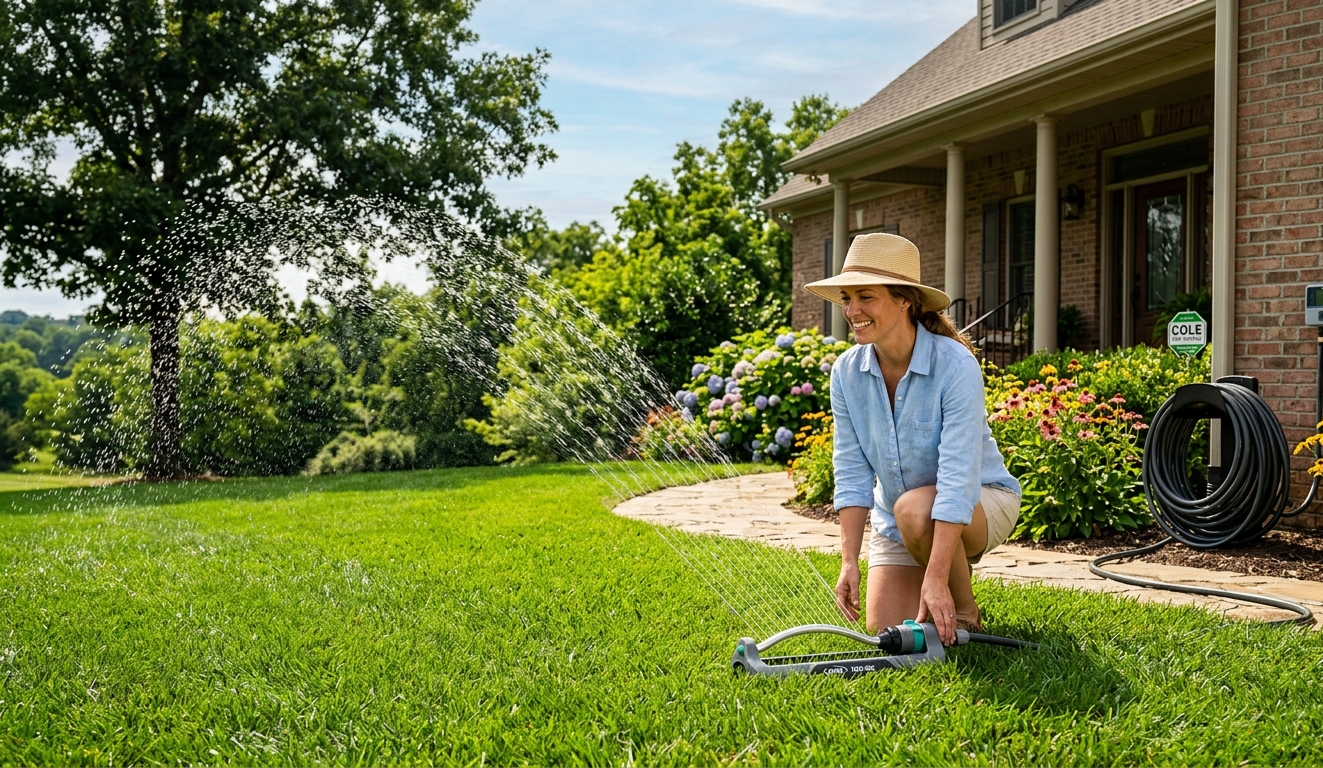
- You have a small residential system
- You already own or rent a high-CFM compressor
- You’ve done basic irrigation or plumbing before
- You’re comfortable with the risk of doing it yourself
Hire a Pro When...
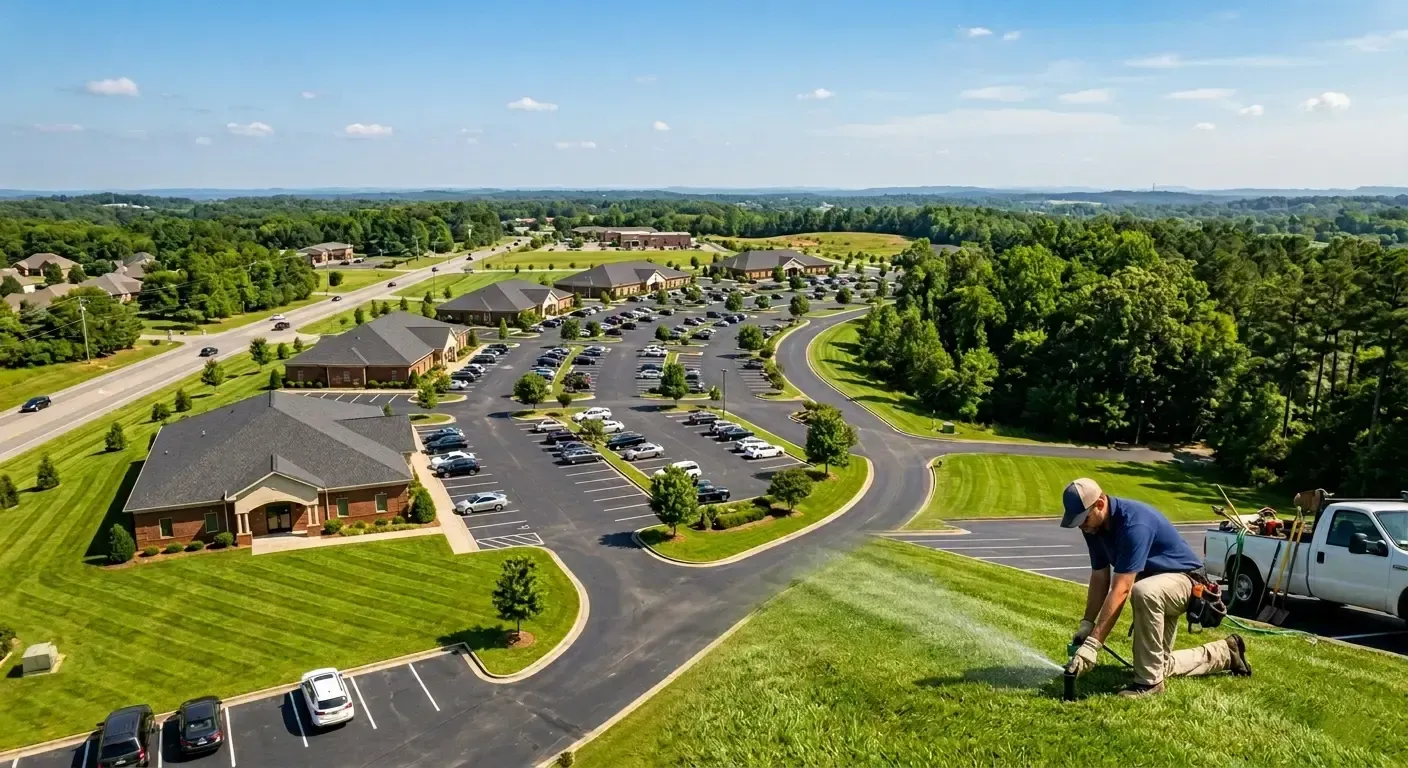
- You own a multi-zone, sloped, or commercial system
- Your system has a backflow device, pump, or filters
- You don’t have the time, tools, or confidence
- You want a warranty or official documentation
Conclusion: Winterize Before the Freeze
In Tennessee, the best time to winterize your system is late October through early November—before the first hard freeze. It’s always better to winterize the full system, not just part of it.
Want to avoid the stress and save money in the spring? Contact
AquaQuest Irrigation today for a free consultation and professional irrigation winterization in Tennessee.
You might also like