Is Clarksville's Drought Hurting Your Lawn? How a Smart Irrigation System Saves Your Lawn AND Your Water Bill
If you have a lawn in or around Clarksville or Montgomery County and it’s developing brown patches even though you feel like you're watering constantly, you're not imagining things. Hot Tennessee weather combined with dry conditions can put tremendous stress on turf, and simply running the sprinklers longer is not always the answer.
In fact, watering more can sometimes mean wasting more. A traditional timer does not know whether your soil is already damp, whether rain fell overnight, or whether yesterday was 10 degrees hotter than today.
That is where a smart irrigation system can make a noticeable difference. For homeowners dealing with a Clarksville, TN drought lawn, the goal is not to flood the grass. The goal should be to give the lawn the water it actually needs, when it needs it, while reducing unnecessary use of the system.
This guide explains why smart irrigation can be especially valuable during drought conditions, how the technology works, and when upgrading might make more sense than simply repairing your existing sprinkler system.
Clarksville's Ongoing Drought Challenge
Drought conditions put both landscapes and local water supplies under additional pressure. Montgomery County has experienced moderate to severe drought conditions in recent years, making responsible outdoor water use critically important for homeowners trying to maintain lawns and landscaping.
Clarksville also maintains a formal Water Conservation Contingency and Drought Management Plan that enables the city to encourage reduced landscape irrigation when water supplies or system demand require conservation. This can include voluntary watering schedules designed to reduce unnecessary outdoor water use.
These types of situations are where an ordinary sprinkler timer begins to show its limitations.
For example, a controller programmed in April might still be running exactly the same schedule in August, even though rainfall, temperatures, and soil conditions have completely changed. It may irrigate the morning after a thunderstorm or run every zone for the same amount of time, even though one part of the yard receives full sun while another stays shaded.
During drought conditions, that’s water your lawn may not need and water you are still paying for.
For homeowners researching water restrictions in Clarksville, TN, the bigger lesson is simple: conservation doesn't mean letting your lawn die and weeds take over. It means becoming much smarter about when, where, and how water is applied. (For a day-to-day watering schedule, see our Tennessee summer lawn watering guide.)
How to Tell If Your Lawn Is Drought Stressed
Good drought-tolerant lawn care guidance Tennessee homeowners can follow starts with recognizing the difference between a lawn that needs water and one that is suffering from another problem.
A drought-stressed lawn often changes color before becoming completely brown. Grass may take on a blue-gray appearance, blades can begin curling inward, and footprints may remain visible several minutes after someone walks across the yard. Healthy turf typically springs back much faster.
| Drought-Stressed Lawn | Well-Watered Lawn |
|---|---|
| Blue-gray or dull color | Consistent healthy color |
| Grass blades curl or fold | Blades remain open and upright |
| Footprints remain visible | Grass springs back quickly |
| Dry, hard soil | Soil remains slightly moist below the surface |
| Brown patches expand during heat | Turf maintains more consistent coverage |
If your lawn looks stressed but you are already watering frequently, the issue may be sprinkler coverage, a broken head, incorrect programming, compacted soil or simply too much shallow watering. If that sounds like your yard, an irrigation repair inspection is usually the faster fix than adding more water.
Why a Standard Timer System Can't Keep Up With a Drought Like This
A conventional irrigation controller is basically just an alarm clock for your sprinklers. If it is programmed to run Zone 1 for 20 minutes at 5:00 a.m. every Tuesday and Friday, it will do exactly that, and nothing more. It does not know that an inch of rain fell Monday night. It does not know that temperatures dropped for several days. It does not know that one section of the yard is still holding moisture while another is drying quickly.
That level of simplicity is fine when conditions are predictable, but Tennessee summers are rarely predictable! During drought conditions, a fixed controller can lead homeowners into an expensive cycle. Brown grass appears, so they increase the watering time. Then rainfall arrives, but the sprinklers continue running. Some zones become oversaturated while others still develop dry spots, because the actual problem is coverage rather than watering duration.
A water-saving sprinkler system takes more information into account and adjusts irrigation accordingly.
The difference is not just "old" versus "smart." It is reactive irrigation versus responsive, more strategic irrigation.
What Makes an Irrigation System Smart?
A smart irrigation system uses information about actual conditions instead of relying exclusively on a preset clock. Depending on your property and existing equipment, that may involve one technology or a combination of several.
Weather-Based Smart Controllers
A smart sprinkler controller can adjust irrigation schedules using local weather information. When temperatures rise and conditions become drier, watering can be adjusted appropriately. When rainfall arrives, unnecessary cycles can be reduced or skipped.
That makes weather-based smart control particularly useful for homeowners searching for the best smart irrigation controller for drought conditions.
Instead of asking you to constantly reprogram the system, the controller makes many of those routine adjustments automatically.
Soil Moisture Sensors
Weather tells you what is happening above the lawn. Soil moisture tells you what is happening underneath it. A soil moisture sensor measures whether the ground really needs additional water. If moisture levels are already sufficient, irrigation can be delayed as needed.
This is especially valuable because two lawns on the same street can behave differently based on soil composition, shade, slope, grass type, and drainage.
Wireless Rain Sensors
Rain sensors offer a straightforward way to prevent a sprinkler system from running when Mother Nature has already handled the watering.
AquaQuest routinely installs wireless rain sensors, making this a practical upgrade for homeowners who may not need to replace their entire controller or sprinkler system.
Sometimes the smartest improvement is also the simplest one.
Zone-Specific Drip and Sprinkler Head Upgrades
Smart irrigation is not only about electronics. Water still needs to reach the correct places efficiently. Poorly positioned heads can spray sidewalks, driveways, fences, and streets. Some landscape beds benefit from drip irrigation that puts water directly into root zones rather than broadcasting it across the surface.
A professionally designed smart irrigation system Clarksville, TN, homeowners can rely on combines good control technology with proper coverage.
The Water Bill Math: What a Smart System Actually Saves
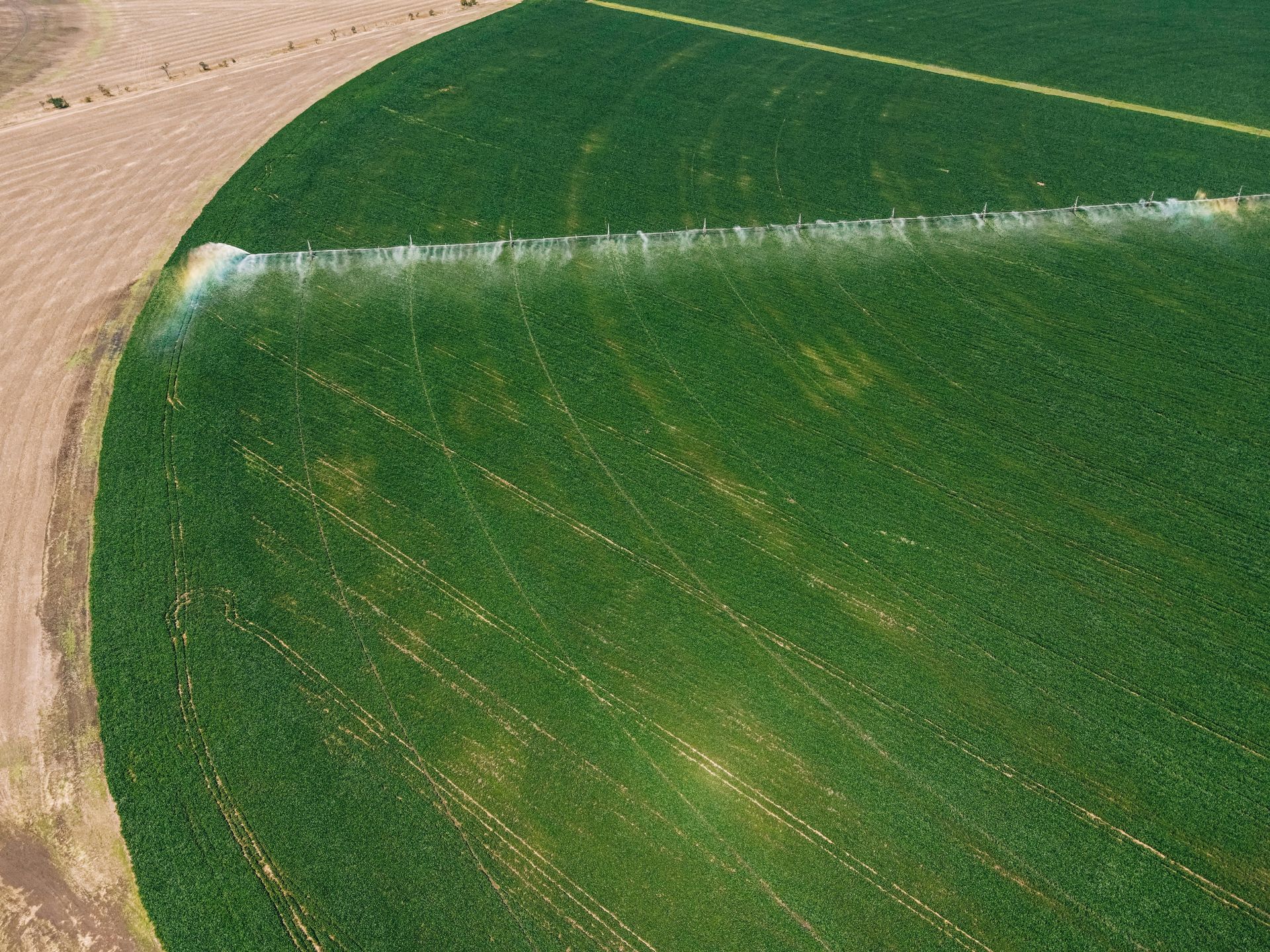
Saving water sounds good, but homeowners understandably want to know what it means in practical terms. According to the EPA WaterSense program, replacing a standard clock-based irrigation controller with an efficient WaterSense-labeled controller can save an average home as much as 15,000 gallons of water per year under the applicable WaterSense estimates.
That works out to a potential average reduction of about 1,250 gallons per month when spread across the year!
Actual savings vary substantially by property, landscape size, weather, irrigation habits, and the equipment being replaced, but the potential is significant. Here is a simple way to look at the difference:
| Standard Timer | Smart System |
|---|---|
| Runs according to a fixed schedule | Adjusts to actual conditions |
| May run immediately after rain | Can skip unnecessary watering |
| Same programmed time regardless of weather | Can respond to temperature and moisture |
| Higher risk of unnecessary outdoor water use | Designed to reduce avoidable irrigation |
| Household pays for all metered water used | Reduced irrigation can lower metered consumption |
Is a Smart Upgrade Worth It, or Just a Repair?
Not every homeowner needs a completely new irrigation system. If your existing sprinkler layout provides good coverage and the major components are in good condition, you may only need a controller upgrade, a wireless rain sensor, head adjustments, or repairs to inefficient zones. — See our irrigation repair services.
On the other hand, an older system with poor coverage, leaking valves, broken heads, outdated controls, and inefficient zone design may benefit from a broader upgrade. This is why AquaQuest starts by evaluating the system you already have. We would rather determine what actually needs improvement than recommend replacing components that are still doing their job.
Sometimes the right solution is a new smart controller. Sometimes it is a rain sensor. Sometimes it is repairing three problem heads and reprogramming the controller.
And sometimes an older system really does need more extensive improvements.
The goal is the same in every case: healthier landscaping with less wasted water. If you're considering a smart irrigation system that you can use through changing summer conditions, AquaQuest can inspect your existing setup and help determine which upgrades are likely to provide the most value.
Frequently Asked Questions
Is Clarksville, TN currently under water restrictions?
Clarksville maintains a Water Conservation Contingency and Drought Management Plan that provides for voluntary conservation measures and watering schedules when conditions warrant them. Because drought status and conservation guidance can change, homeowners should check current Clarksville Gas & Water information before making irrigation decisions.
How much water can a smart irrigation system actually save?
Savings depend on your existing system and watering habits. EPA WaterSense estimates indicate that qualifying smart irrigation controllers can save significant amounts of water compared with traditional clock-based controllers, with some WaterSense estimates reaching up to 15,000 gallons annually for an average home.
Can I add a smart controller to my existing system, or do I need a whole new one?
In many cases, a smart controller can be added to an existing irrigation system. You may also benefit from a rain sensor, soil moisture sensor, or sprinkler head adjustments without replacing the entire system. An inspection is the best way to determine compatibility.
Does AquaQuest install smart controllers and rain sensors in Clarksville and Montgomery County?
Yes. AquaQuest Irrigation works with homeowners in Clarksville and Montgomery County and can evaluate existing irrigation systems, install smart controls and rain sensors, make repairs, and improve system performance.
How is a smart system different from just watering less often?
Watering less is still based on a homeowner making manual decisions. A smart irrigation system uses weather, rainfall, soil conditions, or other data to make watering more responsive to what the landscape actually needs. The goal is not simply less water. It is better use of water.
Make Every Gallon Count This Summer
A drought-stressed lawn does not automatically need more water. It needs better water management.
Smart controllers, rain sensors, properly designed zones, and efficient sprinkler heads can help your landscape respond to Tennessee's changing conditions without simply adding minutes to the timer every time the grass looks dry.
If your sprinkler system is running more but your lawn is looking worse, let AquaQuest take a look! We can inspect your existing irrigation system, identify where water is being lost or wasted, and recommend repairs or smart upgrades that make sense for your property.
Contact AquaQuest Irrigation today to schedule a system evaluation in Clarksville or Montgomery County and start making every gallon work harder for you.
You might also like